Flaky patches. Dullness that won’t quit. Breakouts that flare every time you scrub too hard. Sound familiar? Harsh physical scrubs and aggressive acids leave your skin compromised—not renewed. But what if exfoliation didn’t have to feel like punishment? Enter enzyme exfoliation: a precise, pH-sensitive method that digests dead cells without wrecking your moisture barrier.
Why Most Exfoliation Backfires
Mechanical scrubs use jagged particles—walnut shells, apricot pits—that tear micro-tears into sensitive skin. Even glycolic or salicylic acids, while effective, strip lipids and spike irritation if overused. And here’s the catch: damaged barriers trigger more oil, more redness, more sensitivity. It’s a vicious loop.
Enzyme exfoliants operate differently. They’re biological scissors—proteolytic enzymes like papain (from papaya) or bromelain (from pineapple)—that selectively snip away only the keratin proteins binding dead surface cells. Healthy, living cells? Left untouched. That specificity is why dermatologists quietly recommend them for rosacea, post-procedure care, and even eczema-prone types.
How to Use Enzyme Exfoliation for Real Results
This isn’t slather-and-rinse. Precision matters.
Step 1: Patch Test Like a Pro
Apply a dime-sized amount behind your ear for 48 hours. If zero stinging or redness appears, you’re clear. Skip this—and you risk undoing weeks of barrier repair.
Step 2: Apply to Dry, Clean Skin
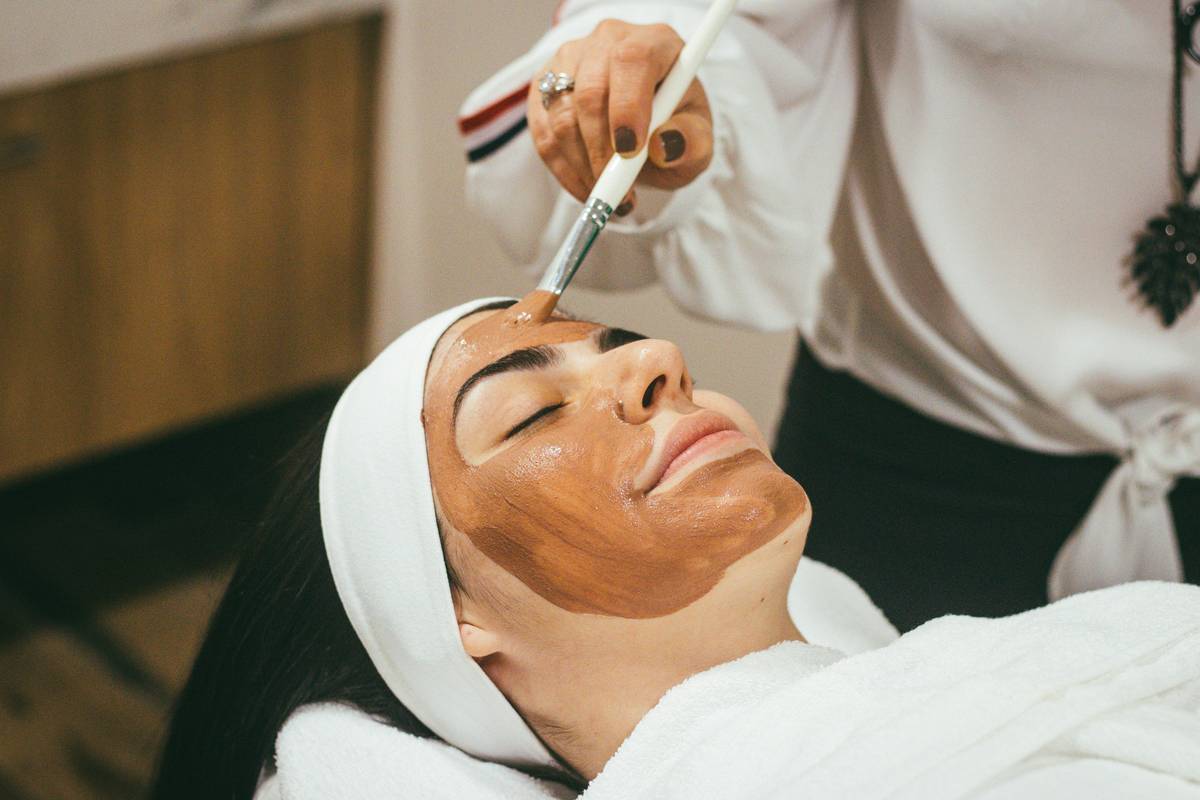
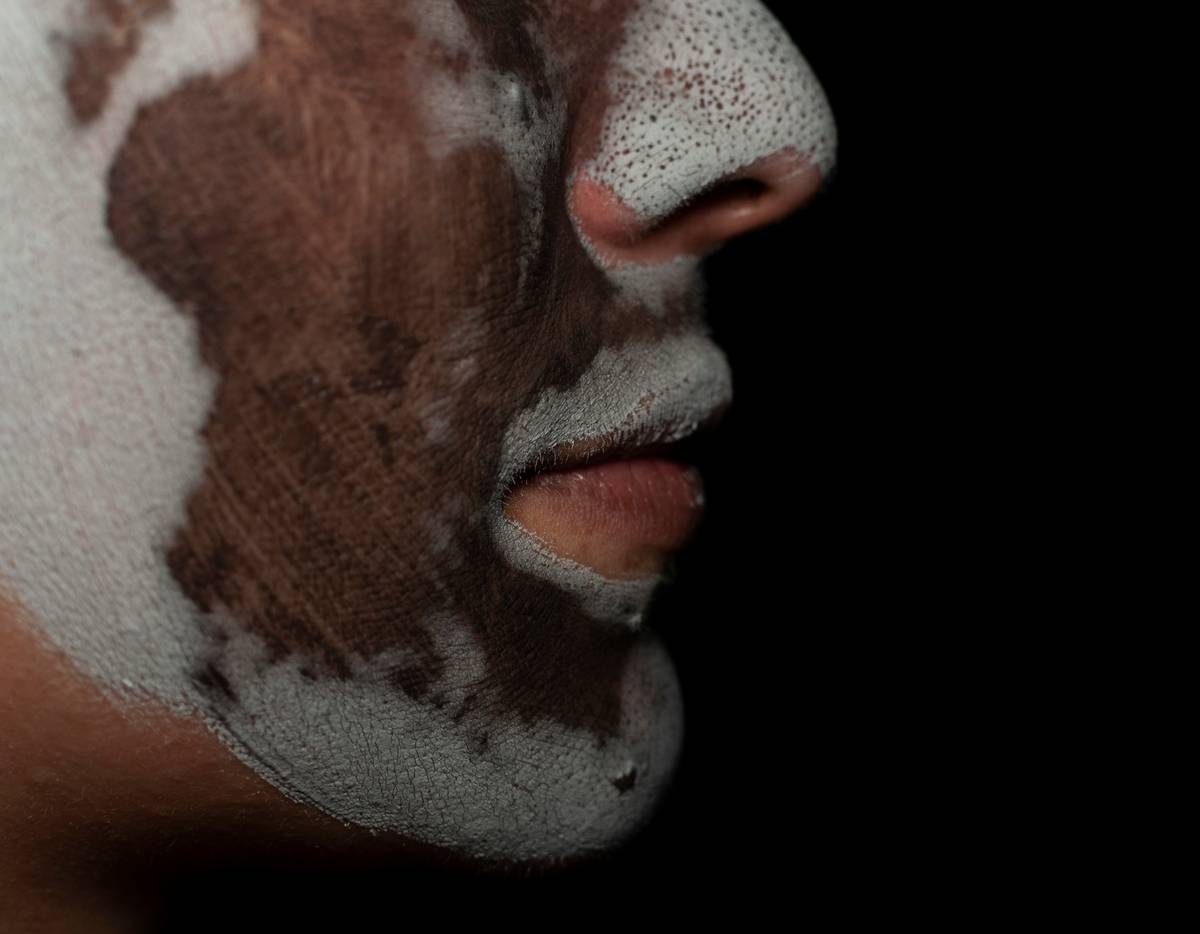
Water dilutes enzyme activity. Pat face dry after cleansing. Then massage the mask gently—no rubbing—until evenly coated. Overlap onto your neck; décolletage aging starts early.
Step 3: Time It to the Minute
Most formulas max out at 10 minutes. Set a timer. Longer ≠ better. Enzymes self-deactivate once they’ve consumed available dead cells. Lingering just invites dehydration.
Comparison: Exfoliation Methods Side-by-Side
| Method | Active Agent | Ideal For | Risk Level | Frequency |
|---|---|---|---|---|
| Physical Scrubs | Crushed seeds/nuts | Oil-heavy, resilient skin | High (micro-tears) | Once/week max |
| Chemical Peels (AHA/BHA) | Glycolic, lactic, salicylic acid | Acne, texture, sun damage | Medium-High (barrier disruption) | 1-3x/week |
| Enzyme Exfoliation | Papain, bromelain, ficin | Sensitive, reactive, post-treatment skin | Low (targeted action) | 2-3x/week |
The Industry Secret No One Admits
Brand labs formulate most enzyme products at sub-therapeutic doses—just enough to list “papaya extract” on the label but not enough to deliver visible resurfacing. Why? Stability. Active enzymes degrade fast in water-based serums unless buffered perfectly. The magic happens in anhydrous (water-free) clay or powder formats activated only upon mixing. Ask your esthetician for powdered enzyme masks—they’re the clinic-grade secret disguised as “at-home.” And store them in the fridge. Heat kills enzymatic activity faster than you’d think.
FAQ
Is enzyme exfoliation safe for daily use?
No. Even gentle exfoliants need recovery time. Stick to 2–3 times weekly. Over-exfoliation manifests as tightness, flaking, or sudden reactivity—even if it doesn’t burn.
Can I layer enzyme exfoliants with retinoids?
Not on the same night. Both accelerate cell turnover. Alternate evenings—enzymes Monday/Wednesday, retinol Tuesday/Thursday—to avoid barrier fatigue.
Do enzyme peels work on body skin?
Absolutely. Rough elbows, bumpy arms (keratosis pilaris), even calloused heels respond well. Use a thicker application and leave on 5 minutes longer than facial protocols.