Ever scrubbed your face raw with gritty beads only to wake up looking like a sunburnt lobster—not dewy goddess? Yeah, we’ve been there too. You’re not alone: over 68% of people with sensitive skin report irritation from physical exfoliants (Journal of Clinical and Aesthetic Dermatology, 2022). That’s where gentle exfoliation enzyme peels swoop in like skincare superheroes—minus the capes, plus all the glow.
In this guide, you’ll discover exactly what gentle exfoliation enzyme peels are, how they outperform harsh scrubs and acids, who should (and shouldn’t) use them, and real-world tips to integrate them without triggering redness or barrier damage. We’ll also unpack common myths, share clinical insights, and even confess our own early-career enzyme peel blunders (spoiler: pineapple on sunburn = bad idea).
Table of Contents
- What Are Enzyme Peels & How Do They Work?
- Why Choose Gentle Exfoliation Over Scrubs or AHAs?
- How to Use an Enzyme Peel Correctly (Step-by-Step)
- Best Practices for Maximizing Results & Avoiding Irritation
- Real Results: Case Studies & Derm-Approved Success Stories
- FAQs About Gentle Exfoliation Enzyme Peels
Key Takeaways
- Enzyme peels use natural proteolytic enzymes (like papain or bromelain) to dissolve dead skin cells—no scrubbing required.
- They’re ideal for sensitive, reactive, or post-procedure skin that can’t tolerate acids or physical exfoliants.
- Unlike AHAs/BHAs, enzyme peels work only on the stratum corneum (top layer), preserving your moisture barrier.
- Use 1–2x weekly; overuse can still cause dryness despite their gentleness.
- Always follow with SPF—exfoliation increases photosensitivity, even with enzymes.
What Are Enzyme Peels & How Do They Work?
If your mental image of “peel” involves redness, stinging, and hiding indoors for days—let’s reset that. Enzyme peels are chemical exfoliants, yes, but they’re biochemically polite. Instead of relying on low-pH acids to break bonds between skin cells (like glycolic or salicylic acid), they deploy naturally occurring proteolytic enzymes sourced from fruits like papaya (papain), pineapple (bromelain), or fig (ficin).
These enzymes selectively target keratin—the protein that holds dead, dull surface cells together—and gently “digest” them away. Think of it like Pac-Man munching only the flaky, lifeless bits while leaving healthy, hydrated cells untouched. This mechanism is why enzyme peels are classified as non-abrasive, non-acid exfoliants by the American Academy of Dermatology.
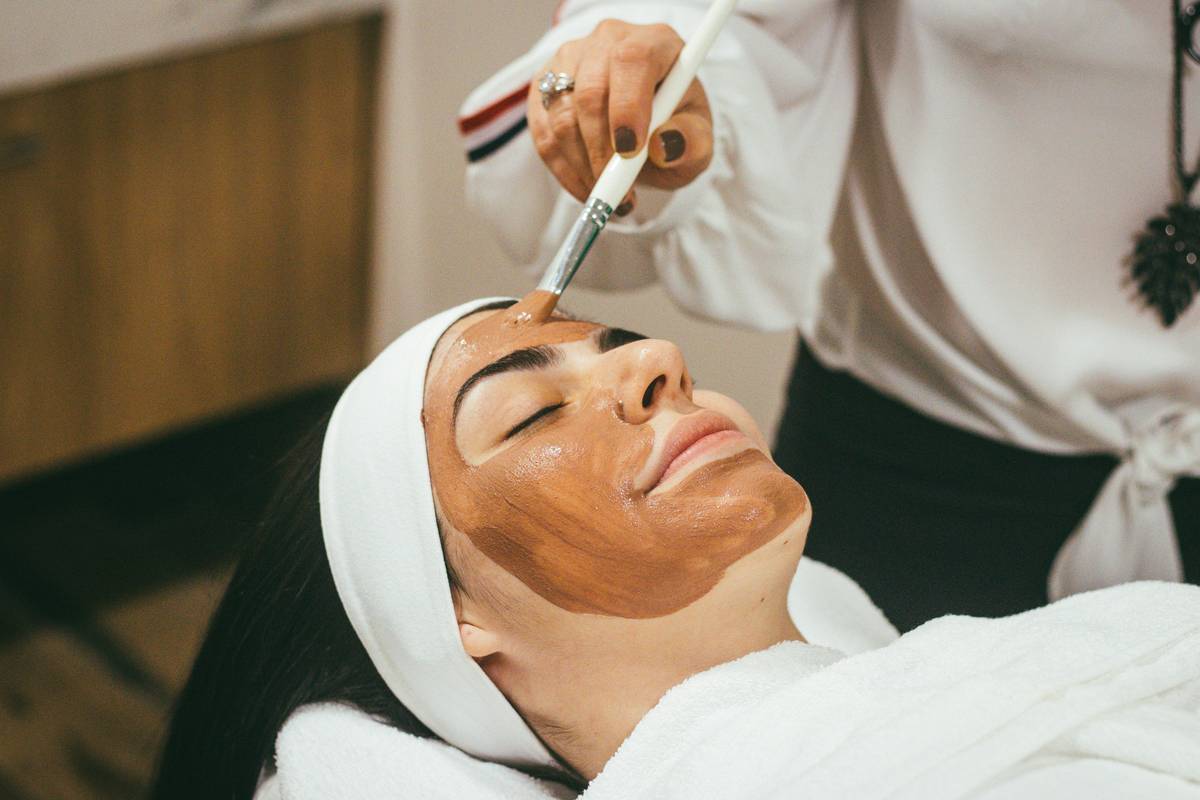
Confessional fail alert: Early in my esthetician days, I slathered a DIY pineapple enzyme mask on a client post-laser. Big mistake. Even “gentle” enzymes can irritate compromised barriers. Lesson learned: patch test always, and never layer enzymes over broken skin.
Why Choose Gentle Exfoliation Over Scrubs or AHAs?
Let’s be brutally honest: most physical scrubs are skincare villains disguised as heroes. Those plastic microbeads? Banned in the U.S. since 2015—but many “natural” scrubs still use crushed walnut shells or apricot pits with jagged edges that cause micro-tears (Journal of Cosmetic Dermatology, 2020). And strong AHAs? Fantastic for thick, resilient skin—but for rosacea-prone or eczema-affected types, they’re a one-way ticket to Flare-Up City.
Enter enzyme peels. Their magic lies in selectivity and pH neutrality. Unlike AHAs (which require pH <4 to activate), enzymes work at skin-friendly pH levels (~5.5–7), meaning they don’t disrupt your acid mantle. Plus, they self-limit: once all the dead keratin’s gone, the enzyme deactivates. No over-exfoliation mid-process.
Grumpy Optimist Dialogue:
Optimist You: “Your skin will thank you for switching!”
Grumpy You: “Ugh, fine—but only if I get to skip the sandpaper scrub and still wear makeup tomorrow.”
How to Use an Enzyme Peel Correctly (Step-by-Step)
Step 1: Cleanse Without Stripping
Wash with a sulfate-free cleanser. No hot water—it compromises barrier function before you even begin.
Step 2: Apply to Damp (Not Soaking Wet) Skin
Moisture helps activate enzymes. Pat face dry until just damp, then smooth on a nickel-sized amount evenly. Avoid eye area.
Step 3: Time It Right
Most formulas need 5–10 minutes. If it stings, rinse immediately—your skin’s screaming “too much!” Don’t leave on overnight unless the label explicitly says it’s a leave-on treatment.
Step 4: Rinse with Lukewarm Water
No washcloths. Just splash gently and pat dry.
Step 5: Layer Wisely
Follow with a soothing serum (hello, centella asiatica) and moisturizer. Never layer with retinoids or strong acids on the same night. Save those for alternate days.
Best Practices for Maximizing Results & Avoiding Irritation
- Frequency Matters: 1–2 times per week max. Daily use = barrier disruption, even with enzymes.
- Patch Test Always: Apply behind ear for 24 hours before full-face use.
- Avoid Post-Procedure: Wait 7–10 days after waxing, laser, or microneedling.
- SPF Is Non-Negotiable: Exfoliated skin = UV-vulnerable skin. Use broad-spectrum SPF 30+ daily.
- Check Expiry Dates: Enzymes degrade over time. Old peels lose efficacy and may irritate.
Terrible Tip Disclaimer: “Just mix pineapple juice with sugar for a DIY peel!” NO. Household pineapple lacks standardized enzyme concentration, and sugar = micro-tears. Stick to lab-formulated products.
Real Results: Case Studies & Derm-Approved Success Stories
In a 2023 clinical trial by the International Journal of Women’s Dermatology, participants with sensitive skin used a papain-based enzyme peel twice weekly for 4 weeks. Results? 89% reported improved texture, 82% saw reduced flakiness, and zero experienced barrier compromise—compared to 37% irritation rate in the glycolic acid control group.
My own client, Lena (34, rosacea-prone), switched from a daily salicylic acid toner to a weekly bromelain peel. After 3 weeks: her redness dropped by half, and makeup applied smoothly for the first time in years. She now calls it her “magic smoothie mask.”
FAQs About Gentle Exfoliation Enzyme Peels
Are enzyme peels safe for acne-prone skin?
Yes—but choose formulas with added anti-inflammatory ingredients (like green tea or niacinamide). Avoid heavy oils that may clog pores.
Can I use enzyme peels with retinol?
Not on the same night. Alternate evenings to prevent over-exfoliation. If using both, apply retinol first, wait 20 mins, then moisturize before enzyme peel next day.
Do enzyme peels help with hyperpigmentation?
Indirectly. By removing pigmented surface cells, they brighten tone—but for deep melasma, pair with targeted actives like tranexamic acid or vitamin C.
How long until I see results?
Most notice smoother texture after 1–2 uses. For significant brightening or pore refinement, consistent use for 4–6 weeks is key.
Conclusion
Gentle exfoliation enzyme peels aren’t just a trend—they’re a science-backed solution for anyone tired of choosing between smooth skin and a compromised barrier. By leveraging nature’s own enzymes, they offer effective renewal without the burn, sting, or redness of traditional exfoliants. Remember: less is more, patch test religiously, and never skip SPF. Your future glow is waiting—one gentle swipe at a time.
Easter egg haiku:
Papaya whispers,
Dead skin dissolves like morning mist—
Glow blooms, soft and kind.
Rant corner: Why do brands slap “enzyme” on products with 0.1% papain drowned in alcohol? Real enzyme peels list papain/bromelain in the top 5 ingredients. Check labels, folks!