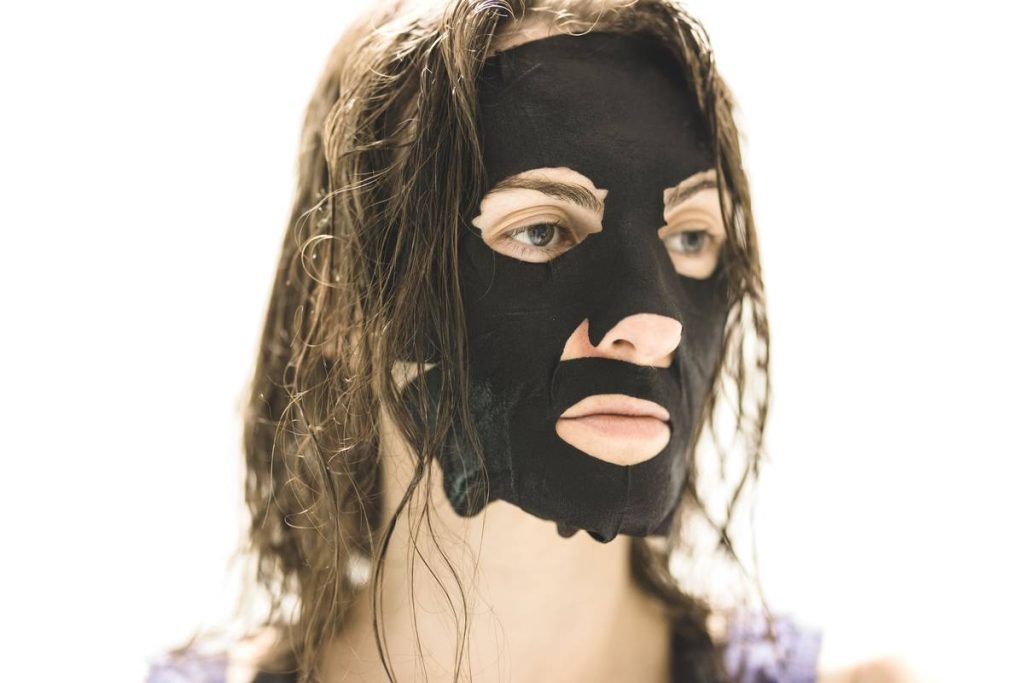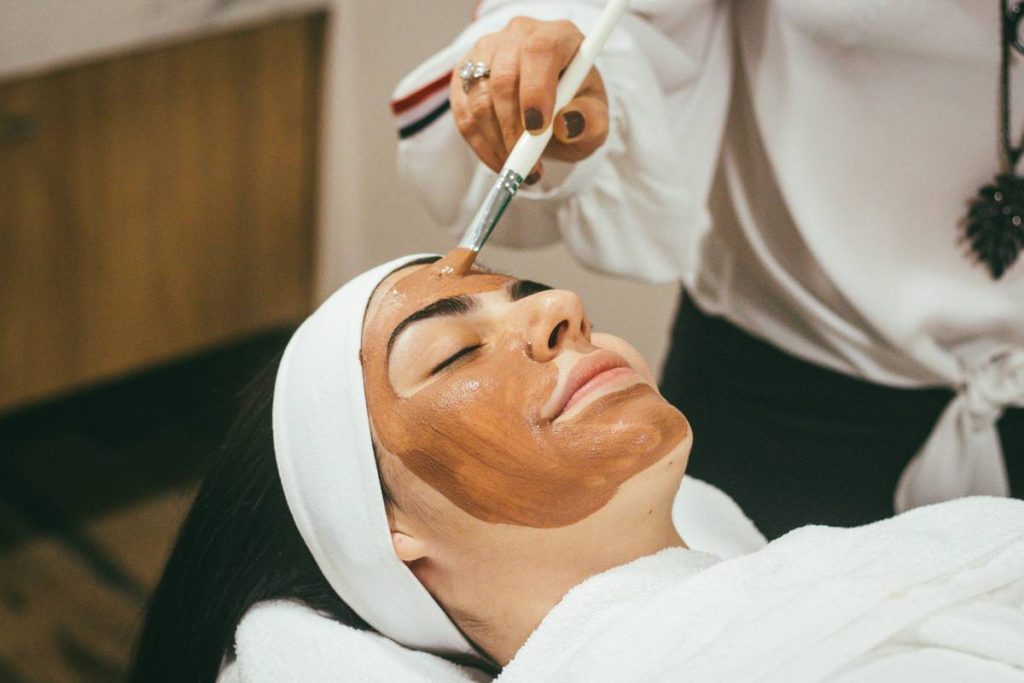
You booked an enzyme peel facial expecting glowing, baby-soft skin. Instead, you woke up red, tight, and flaking like you’d sunburned in a snowstorm. Enzyme peel facial side effects aren’t rare—they’re underreported. And most clinics downplay them to keep you coming back (and spending). Here’s the reality: enzyme peels are powerful, but they’re not magic. Used wrong—or on the wrong skin—they backfire hard. The good news? With the right prep and aftercare, you can avoid 90% of the fallout.
Why Most People Get Burned by “Gentle” Enzyme Peels
“It’s natural!” they say. Papaya or pineapple enzymes sound harmless. But “natural” ≠ non-reactive. Enzymes like bromelain and papain actively break down keratin—the very protein holding your skin barrier together. Strip too much, too fast, and your moisture barrier cracks open like dry clay.
Here’s what goes wrong:
- Over-exfoliation: Applying enzyme peels more than once a week shreds your lipid layer.
- Poor pH matching: If your skin’s acidic mantle is already compromised (hello, overuse of retinoids), even mild enzymes cause stinging.
- Layering mistakes: Slathering vitamin C or AHAs right after? That’s a chemical cocktail begging for irritation.
And—let’s be honest—many spas rush treatments to hit hourly quotas. No patch test. No skin analysis. Just slather, steam, rinse. No wonder reactions spike.
How to Use Enzyme Peels Without Triggering Side Effects
Success hinges on timing, formulation, and restraint. This isn’t just slapping on fruit mush and hoping.
Step 1: Patch Test Like a Pro
Dab a pea-sized amount behind your ear or on your jawline. Wait 24 hours. Redness? Itching? Abort mission. Your skin’s screaming “no.”
Step 2: Prep Your Skin 72 Hours Prior
Stop all actives—retinol, glycolic acid, salicylic acid. Hydrate like your face depends on it (it does). Use ceramide-rich moisturizers to fortify your barrier. Dry, sensitized skin = enzyme landmine.
Step 3: Apply Correctly—and Sparingly
Less is more. A thin layer, max 10 minutes. Never let it dry completely—that’s when enzymes turn aggressive. Rinse with cool water, not lukewarm. Heat accelerates enzymatic activity. Bad idea.
Step 4: Post-Peel Recovery Protocol
No makeup for 24 hours. No hot showers. No sweating. Stick to bland, fragrance-free products with squalane, panthenol, or oat extract. Think healing—not “brightening” or “anti-aging.”
| Factor | Safe Practice | Risk Amplifier |
|---|---|---|
| Frequency | Once every 10–14 days | Twice weekly or more |
| Duration | 5–10 minutes max | Leaving on until dry (>15 min) |
| Aftercare | Ceramides + mineral sunscreen SPF 30+ | Retinoids, AHAs, or physical scrubs within 48 hrs |
| Skin Type Match | Dry/sensitive: papain-only formulas | Oily/acne-prone: bromelain-heavy mixes (can inflame) |
When to Skip It Entirely
If you’re on Accutane, have active rosacea flares, or suffer from eczema patches—walk away. Enzyme peels will inflame, not renew. Save your pennies for barrier-repair serums instead.

The Industry Secret: Not All Enzyme Peels Are Created Equal
Here’s what brands don’t print on labels: many “professional-grade” enzyme peels are diluted with fillers like kaolin clay or silica to stretch yield. These inert ingredients drag out contact time—increasing irritation risk without boosting efficacy. Worse, some contain hidden preservatives like methylisothiazolinone, a known sensitizer masquerading as “safe preservation.”
The real differentiator? Freeze-dried, activity-tested enzymes. Brands that list specific IU (International Units) of enzymatic activity—not just “papaya extract”—are transparent about potency. Few do. Ask your esthetician for the spec sheet. If they hesitate? Run.
And this—this is critical: enzyme peels work best at body temperature. Spas that warm them up to “enhance penetration” are cooking your enzymes into denatured goo. Effectiveness plummets; irritation soars. Cold or room-temp only.
Enzyme Peel Facial Side Effects FAQ
Can enzyme peels cause permanent damage?
Rarely. Most side effects—redness, flaking, tightness—resolve in 24–72 hours with proper care. Permanent scarring only occurs with severe chemical burns from misuse, which is extremely uncommon with pure enzyme formulas.
Are enzyme peels safer than chemical peels?
Generally, yes—they target dead cells only, not live tissue. But “safer” doesn’t mean “risk-free.” Overuse or poor technique still triggers inflammation, especially in reactive skin types.
How do I know if my reaction is normal or an emergency?
Mild redness and slight tingling? Normal. Swelling, blistering, or oozing? Stop immediately. That’s allergic contact dermatitis—not a typical enzyme peel facial side effect—and needs medical attention.