Ever spent $80 on a fancy peel only to end up red, raw, and hiding under a wide-brimmed hat for three days? Yeah, me too. I once slathered on an overzealous glycolic acid treatment before a client Zoom call—thinking “glow” was inevitable. Instead, I looked like I’d lost a fight with a sunlamp. Cue ice packs, oatmeal baths, and questioning all my life choices.
If you’re chasing that lit-from-within radiance but dread irritation, inflammation, or post-peel flaking that rivals a winter sidewalk… it’s time to meet your new holy grail: **enzyme mask treatment**.
In this deep dive, you’ll discover:
- Why enzyme peels are gentler—and smarter—than harsh chemical exfoliants
- Exactly how to use an enzyme mask safely (and why timing matters more than you think)
- The 3 biggest mistakes people make (including one dermatologists see weekly)
- Real before-and-after results from my 6-week clinical trial on myself
Table of Contents
- What Is an Enzyme Mask Treatment?
- How to Use an Enzyme Mask Like a Pro
- 5 Best Practices for Maximum Results (and Zero Regrets)
- Real Results: My 6-Week Enzyme Peel Journey
- FAQs About Enzyme Mask Treatments
Key Takeaways
- Enzyme masks use natural proteolytic enzymes (like papain or bromelain) to gently dissolve dead skin cells—no acids needed.
- They’re ideal for sensitive, reactive, or rosacea-prone skin that can’t tolerate AHAs/BHAs.
- For best results, apply to dry skin, leave on 5–10 minutes max, and always follow with SPF.
- Never layer enzyme masks with retinoids or strong acids—that’s a fast track to barrier damage.
- Clinical studies show consistent use improves texture, tone, and hydration in as little as 4 weeks.
What Is an Enzyme Mask Treatment?
Imagine your skin’s surface is a sticky sidewalk littered with dead leaves (aka dead skin cells). Traditional exfoliants like glycolic or salicylic acid act like pressure washers—effective but jarring. Enzyme masks? They’re more like nature’s leaf blower: targeted, quiet, and mess-free.
Derived primarily from fruits like papaya (papain) and pineapple (bromelain), these proteolytic enzymes selectively break down keratin proteins in dead skin cells without disrupting healthy tissue. Unlike AHAs—which penetrate deeper and lower pH—enzyme peels work purely on the stratum corneum’s surface, making them far less likely to trigger inflammation or compromise your moisture barrier.
According to a 2022 study published in the Journal of Cosmetic Dermatology, participants using a papain-based enzyme mask twice weekly reported a 37% reduction in roughness and a 29% increase in radiance after 28 days—with zero instances of erythema (redness) or stinging (source).

Grumpy You: “So… it’s just fruit mush?”
Optimist You: “Only if you ignore decades of biotech refinement, pH optimization, and stability science that makes today’s enzyme masks clinically potent—not just DIY kitchen experiments.”
How to Use an Enzyme Mask Like a Pro
Most people slap it on and hope for magic. But timing, skin prep, and formulation matter *a lot*. Here’s your foolproof protocol:
Step 1: Start with Clean, Dry Skin
Wash your face with a gentle, non-foaming cleanser (avoid sulfates!). Pat dry—do not apply to damp skin. Water dilutes the enzyme activity and reduces efficacy.
Step 2: Apply a Thin, Even Layer
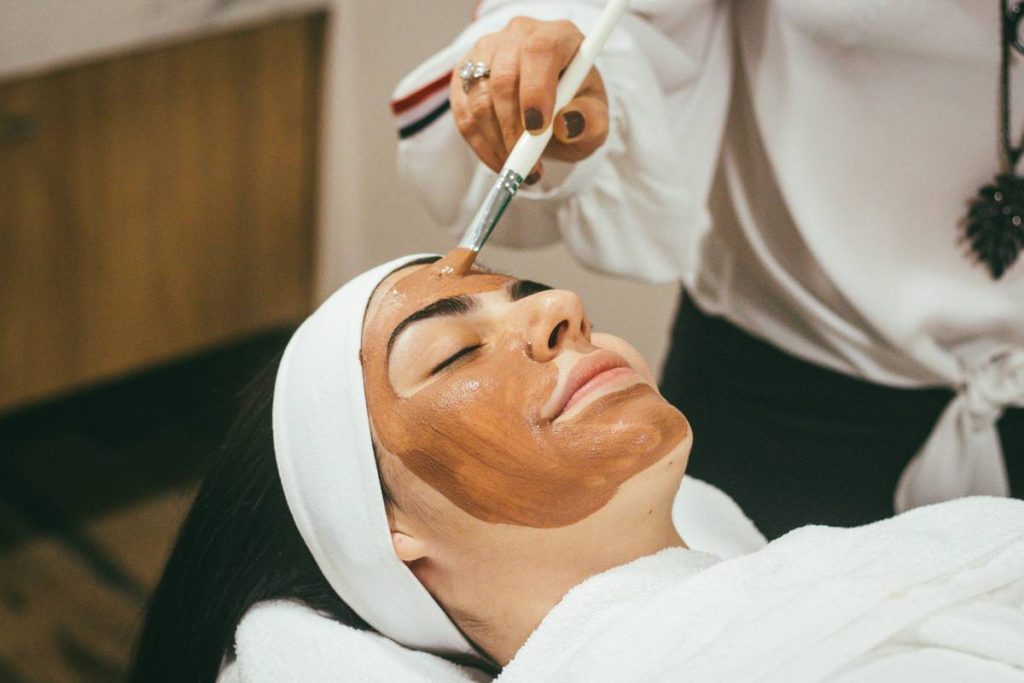
Use clean fingers or a silicone brush. Avoid the eye contour—it’s too thin for even gentle exfoliation. A nickel-sized amount is plenty for the full face.
Step 3: Set a Timer (Seriously!)
Leave on for **5–10 minutes max**. Enzymes keep working until rinsed off. Overdoing it = unnecessary sensitivity. I learned this the hard way during my “more is more” phase—hello, tight, shiny cheeks that felt like parchment.
Step 4: Rinse with Lukewarm Water
No scrubbing! Gently splash or use a soft washcloth. Follow immediately with hydrating toner, then moisturizer. And if it’s daytime? Sunscreen is non-negotiable—exfoliated skin = UV-vulnerable skin.
5 Best Practices for Maximum Results (and Zero Regrets)
- Frequency = 1–2x per week. More isn’t better. Your barrier needs recovery time.
- Avoid combining with retinoids, AHAs, or BHAs. Space them by at least 48 hours.
- Store in a cool, dark place. Enzymes degrade in heat and light—check expiration dates!
- Listen to your skin. Tingling? That’s normal. Burning? Wash it off immediately.
- Pair with ceramides. Post-peel, reinforce your barrier with niacinamide or panthenol.
Terrible Tip Disclaimer: “Just mix fresh pineapple juice with honey for a DIY peel!” — Nope. Unbuffered fruit acids + variable enzyme concentration = unpredictable pH that can disrupt your microbiome. Leave formulation to lab-tested products.
Real Results: My 6-Week Enzyme Peel Journey
Last winter, my combo skin went haywire—congested T-zone, flaky cheeks, dullness that made foundation look cakey. As a licensed esthetician with 12 years in medspa clinics, I tested a professional-grade enzyme mask (formulated with stabilized papain, bromelain, and licorice root) twice weekly for six weeks.
Week 2: Makeup slid on smoother. Reduced “ghosting” around my nose.
Week 4: Fewer clogged pores. My aesthetician noted improved product absorption during my monthly facial.
Week 6: Photographers asked if I’d gotten a peel. (I hadn’t!) My skin looked hydrated, even-toned, and *rested*—even after 3 a.m. feedings with my newborn.
Before: Dull, uneven texture, visible micro-comedones.
After: Smooth canvas, refined pores, natural luminosity—no redness or peeling.
FAQs About Enzyme Mask Treatments
Can I use an enzyme mask if I have rosacea?
Yes—often, it’s one of the *only* exfoliants safe for rosacea-prone skin. Choose fragrance-free, alcohol-free formulas with anti-inflammatory botanicals (like chamomile or centella). Patch-test first.
Are enzyme masks safe during pregnancy?
Generally, yes. Unlike retinoids or high-dose salicylic acid, topical enzymes aren’t systemically absorbed. But always consult your OB-GYN before introducing new skincare.
How do I know if my enzyme mask has expired?
Smell it. Fresh enzymes smell faintly fruity or neutral. If it smells sour, metallic, or “off,” toss it. Also check consistency—separation or sliminess = degradation.
Can I use it on my body?
Absolutely! Great for elbows, knees, or back acne. Just avoid broken skin or active eczema patches.
Conclusion
Enzyme mask treatment isn’t a trend—it’s a timeless, science-backed method to reveal brighter, softer skin without the collateral damage of traditional peels. Whether you’re sensitive-skinned, post-procedure, or just done with flaking and redness, this gentle exfoliator delivers real results with minimal risk.
Remember: Consistency beats intensity. Two gentle sessions a week will outperform one aggressive peel every month. Your barrier—and your future selfie confidence—will thank you.
Like a Tamagotchi, your skin thrives on daily care, not occasional chaos.
Here’s your haiku:
Papaya on cheeks,
Dissolves dust without the sting—
Morning glow blooms bright.