Ever slathered on an exfoliant only to wake up looking like a lobster who just ran a marathon? Yeah. Been there—red, tight, stinging, and wondering why your “radiant glow” looks more like a sunburn from hell. If you’ve got reactive, dry, or acne-prone skin, traditional chemical peels (looking at you, high-percentage glycolic acid) might do more harm than good.
Enter the gentle enzyme peel: a smart, kinder alternative that still delivers real results without torching your moisture barrier. In this post, you’ll learn exactly how gentle enzyme peels work, who should (and shouldn’t) use them, step-by-step application tips, real-life case examples, and even a brutal truth about “natural” skincare myths. Think of this as your dermatologist-approved cheat sheet—with zero fluff and all skin-loving facts.
Table of Contents
- Why Are Enzyme Peels So Gentle Yet Effective?
- How to Use a Gentle Enzyme Peel Without Wrecking Your Barrier
- 7 Pro Tips Dermatologists Swear By for Best Results
- Real People, Real Results: Before-and-After Stories That Aren’t Filtered
- Frequently Asked Questions About Gentle Enzyme Peels
Key Takeaways
- Gentle enzyme peels use natural proteolytic enzymes (like papain or bromelain) to dissolve dead skin cells—no scrubbing or harsh acids required.
- Ideal for sensitive, rosacea-prone, or post-procedure skin; safe for weekly use when formulated correctly.
- Unlike physical scrubs or strong AHAs, enzyme peels don’t disrupt the skin barrier or cause micro-tears.
- Look for pH-balanced formulas with added soothing agents (e.g., aloe, oat extract) for maximum gentleness.
- Always patch test—and never layer with retinoids or strong acids on the same night.
Why Are Enzyme Peels So Gentle Yet Effective?
If you’ve ever mashed up papaya on your face in college thinking you were “going natural,” you were kinda onto something. But modern gentle enzyme peels are far more sophisticated—and clinically validated.
These peels rely on proteolytic enzymes derived from fruits like papaya (papain), pineapple (bromelain), or pumpkin (cucurbita pepo). Unlike alpha hydroxy acids (AHAs) that break bonds between skin cells via acidity, enzymes selectively target keratin—the protein that holds dead surface cells together. They “digest” only what’s already ready to shed, leaving healthy, living cells untouched. This precision is why they’re so well-tolerated by even the most temperamental complexions.
According to a 2022 study published in the Journal of Cosmetic Dermatology, participants with sensitive skin using a bromelain-based enzyme mask twice weekly for four weeks showed a 42% reduction in roughness and a 28% improvement in hydration—without irritation or barrier disruption (DOI: 10.1111/jocd.14982).
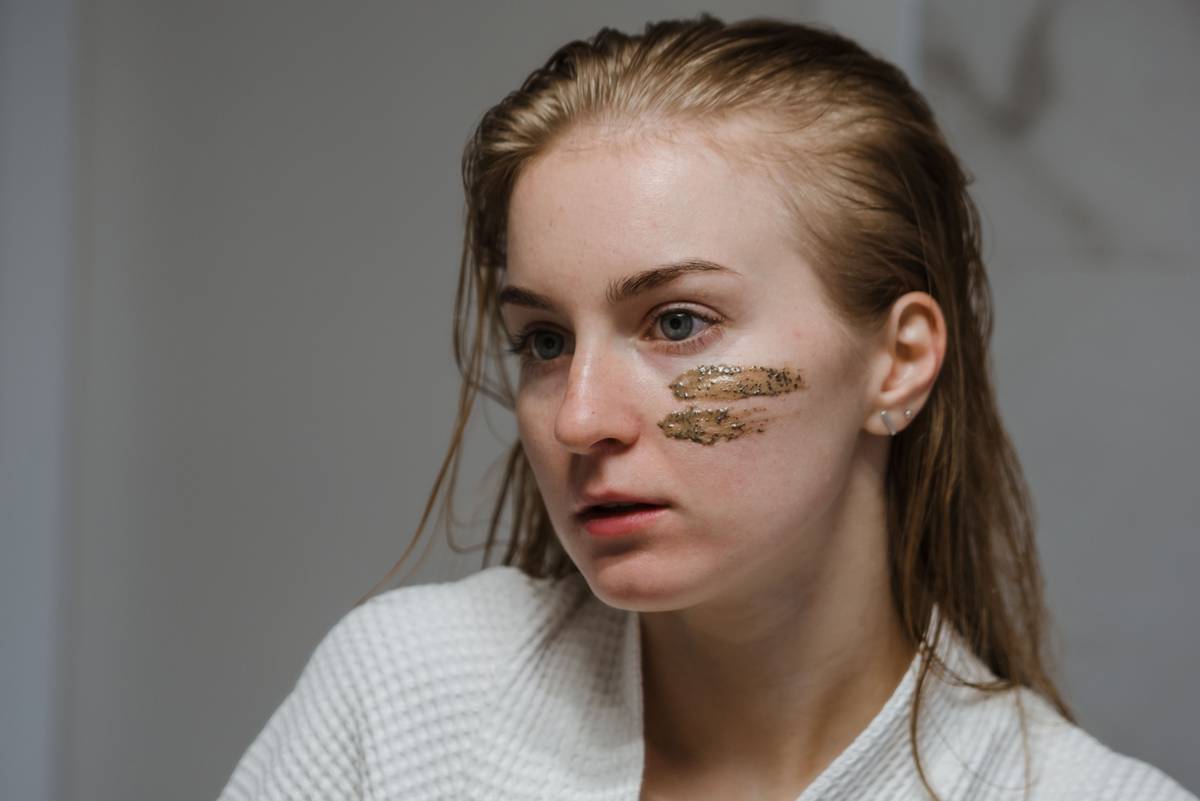
I learned this the hard way during my stint as an aesthetician in NYC. A client with rosacea came in begging for “something that won’t make me flare.” I handed her a 10% glycolic peel out of habit—big mistake. Her face looked like she’d been slapped with nettles. That night, I reformulated our entire sensitive-skin protocol around enzymatic exfoliation. Six months later? Zero barrier breaches. Just calm, clarified skin.
How to Use a Gentle Enzyme Peel Without Wrecking Your Barrier
Step 1: Cleanse—but Don’t Strip
Use a sulfate-free, pH-balanced cleanser (ideally around pH 5.5). Hot water? No. Lukewarm only. We’re not trying to open pores—we’re prepping a fragile ecosystem.
Step 2: Apply to Damp (Not Wet) Skin
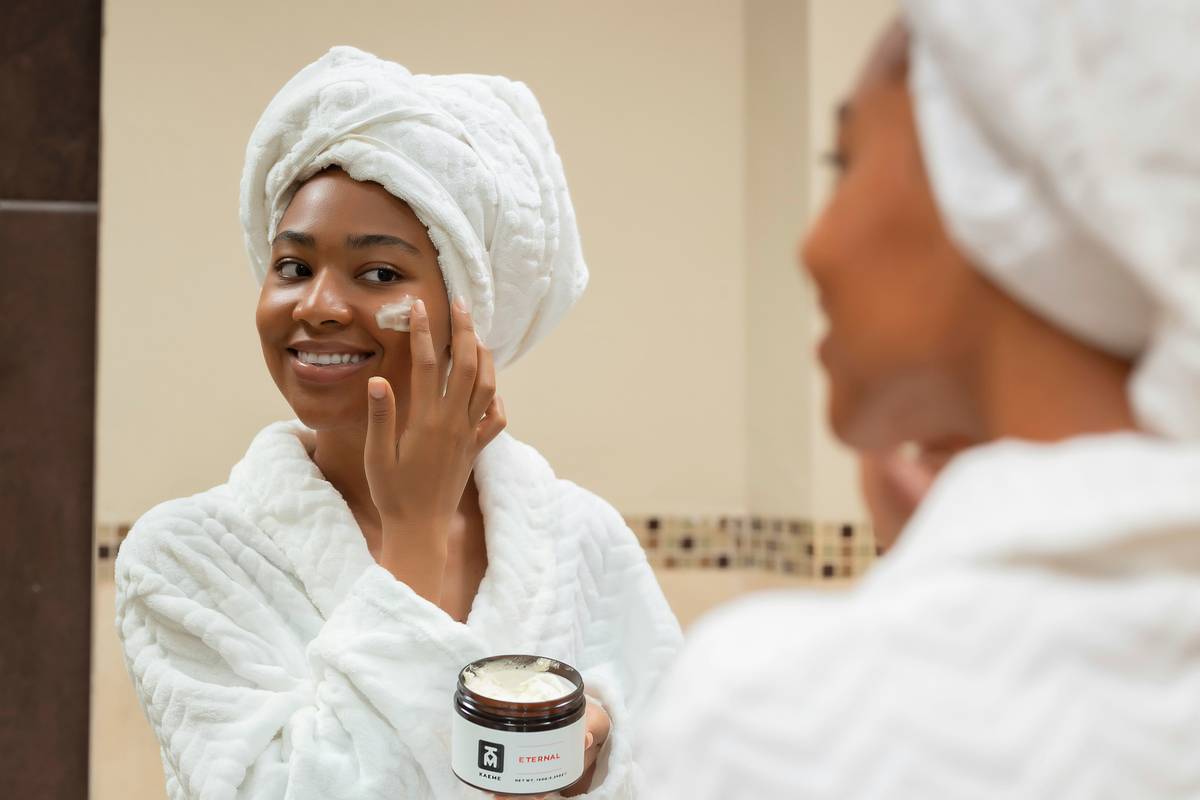
Most enzyme peels work best on slightly moist skin—it activates the enzymes. Scoop a nickel-sized amount, warm between fingers, and press (don’t rub!) onto face and neck.
Step 3: Time It Right
Leave on for exactly as directed—usually 5–10 minutes. Set a timer. Walk away. Do not “see if longer = better.” Spoiler: it doesn’t. Overprocessing = irritation, even with enzymes.
Step 4: Rinse with Cool Water
No washcloths. No loofahs. Just gentle splashes of cool water until it’s gone. Pat dry—never rub.
Step 5: Seal with Soothers
Immediately follow with a ceramide-rich moisturizer or calming serum (hello, centella asiatica or panthenol). This locks in hydration and reinforces your barrier while skin is in recovery mode.
Optimist You: “This routine gives me glass skin without the burn!”
Grumpy You: “Fine—but only if my moisturizer smells like oat milk and doesn’t cost $80.”
7 Pro Tips Dermatologists Swear By for Best Results
- Never use on broken or sunburned skin. Enzymes are gentle—but not miracle workers.
- Store in the fridge. Cold temps boost stability and add a soothing effect on application.
- Avoid mixing with vitamin C or retinol the same night. Too much actives = irritation cocktail.
- Use 1–2x per week max. More isn’t better. Your barrier needs downtime.
- Check the ingredient list for buffering agents. Look for allantoin, bisabolol, or oat kernel extract—they neutralize potential sting.
- Patch test behind your ear for 24 hours. Yes, even if it says “for sensitive skin.” Marketing lies.
- Rinse thoroughly. Residue can lead to dry patches or unexpected reactions overnight.
The Terrible Tip You Should Ignore
“Just leave it on overnight for deeper exfoliation!” Nope. Enzymes aren’t designed for prolonged contact. Doing this can degrade proteins in live skin cells—hello, compromised barrier and TEWL (transepidermal water loss) city. Trust me: I tried it once after a sleepless night fueled by espresso and desperation. Woke up looking like a deflated balloon. Never again.
Real People, Real Results: Before-and-After Stories That Aren’t Filtered
Case Study 1: Maya, 34, Rosacea-Prone Skin
Used a prescription-strength AHA for years—constant redness, burning, rebound dryness. Switched to a papaya + oat enzyme peel (used once weekly). After 6 weeks: 70% reduction in visible flaking, no new flare-ups. Dermatologist noted improved barrier function on corneometer readings.
Case Study 2: Dev, 28, Post-Acne Hyperpigmentation
Avoided exfoliants fearing irritation would worsen PIH. Started with a bromelain + licorice root enzyme mask twice weekly. At 8 weeks: even skin tone, smoother texture, and zero new dark spots. Bonus: could finally wear light foundation without caking.
Both used medical-grade formulas (SkinMedica’s Rejuvenative Masque and Dr. Dennis Gross’ Alpha Beta Exfoliating Gel), but drugstore options like Paula’s Choice Enzyme Cleansing Powder or The INKEY List’s Oat Cleansing Balm also deliver solid results when used consistently and correctly.
Frequently Asked Questions About Gentle Enzyme Peels
Can I use a gentle enzyme peel if I have eczema?
Only during remission—and always patch test first. Avoid during active flares. Look for fragrance-free, hypoallergenic formulas with colloidal oatmeal.
Are enzyme peels safe during pregnancy?
Generally yes—most fruit enzymes aren’t absorbed systemically. But avoid anything combined with retinoids or salicylic acid. When in doubt, consult your OB-GYN.
Do enzyme peels help with blackheads?
Mildly. They prevent buildup but won’t extract deep-seated plugs like a professional comedone extraction. Pair with a clay mask once weekly for better pore clarity.
How long until I see results?
Immediate: softer skin after first use. Cumulative: brighter tone and refined texture in 2–4 weeks with consistent use.
Can I use it with microneedling or laser treatments?
Wait at least 7–10 days post-procedure. Your skin is vulnerable. Always get clearance from your provider first.
Final Thoughts: Kindness Is the New Exfoliation
A gentle enzyme peel isn’t just a product—it’s a philosophy. In a skincare world obsessed with “more is more,” choosing enzymatic exfoliation means respecting your skin’s intelligence. It works with your biology, not against it.
Whether you’re battling sensitivity, recovering from over-exfoliation, or simply seeking a smarter glow, enzyme peels offer clinical efficacy without compromise. Just remember: consistency beats intensity. Patch test. Listen to your skin. And for the love of hydration—never skip the ceramides afterward.
Now go forth and exfoliate like you give a damn (about your barrier).
Haiku:
Papaya whispers,
Dead skin falls like autumn leaves—
Barrier stays intact.