Ever scrubbed your face raw with a gritty walnut-shell scrub, only to wake up red, stinging, and—plot twist—more congested than before? Yeah. Been there, bought the overpriced “exfoliating miracle” that left my barrier begging for mercy.
If you’re craving that lit-from-within glow without the post-peel panic, it’s time to meet your skin’s new BFF: the enzyme peel facial. This isn’t just another trendy spa add-on—it’s science-backed, dermatologist-approved exfoliation that actually respects your skin’s biology.
In this post, we’ll unpack exactly what is an enzyme peel facial, how it differs from chemical peels and physical scrubs, who should (and shouldn’t) use one, real results you can expect, and pro tips from behind-the-facialist chair. Plus—I’ll share the rookie mistake I made during my first professional enzyme treatment (spoiler: I panicked and rinsed it off too soon… and missed out on peak glow).
Table of Contents
- Why Should You Care About Enzyme Peels?
- How Does an Enzyme Peel Facial Actually Work?
- 5 Best Practices for Safe, Effective Enzyme Peeling
- Real Results: What Happened When I Tried One (And My Clients)
- FAQs: Your Burning Questions—Answered
Key Takeaways
- An enzyme peel facial uses natural fruit or plant enzymes (like papain or bromelain) to gently dissolve dead skin cells—no scrubbing required.
- It’s ideal for sensitive, reactive, or rosacea-prone skin that can’t tolerate acids like glycolic or salicylic.
- Unlike harsh scrubs or deep chemical peels, enzyme peels work on the surface layer only—making them safe for frequent use (1–2x/week).
- Results include brighter tone, smoother texture, reduced congestion, and enhanced product absorption—often visible after just one session.
- Never layer enzyme peels with retinoids or strong acids unless guided by a licensed esthetician.
Why Should You Care About Enzyme Peels?
Let’s be real: most people think exfoliation = grit + grind. But aggressive physical scrubs (looking at you, crushed walnut shells) create micro-tears in the skin, triggering inflammation and compromising the moisture barrier. Meanwhile, alpha-hydroxy acids (AHAs) like glycolic acid? Amazing—but too potent for daily use if you’ve got sensitive, dry, or eczema-prone skin.
Enter enzyme peels. They’re the Goldilocks of exfoliation: not too harsh, not too weak—just right.
Developed decades ago but recently surging in popularity (thanks to clean beauty movements and “skinimalism”), enzyme peels harness proteolytic enzymes found in papaya, pineapple, pumpkin, and figs. These enzymes selectively target keratin—the protein that binds dead skin cells together—breaking them down without disturbing living tissue.
According to a 2022 review in the Journal of Cosmetic Dermatology, enzyme-based exfoliants demonstrate significant improvement in skin radiance, texture, and hydration with minimal irritation—especially when compared to mechanical exfoliants.
So why hasn’t everyone switched? Because marketing still pushes “deep cleansing” as synonymous with pain. But your skin doesn’t need punishment to glow. It needs precision.
How Does an Enzyme Peel Facial Actually Work?
What’s really happening under that foaming mask?
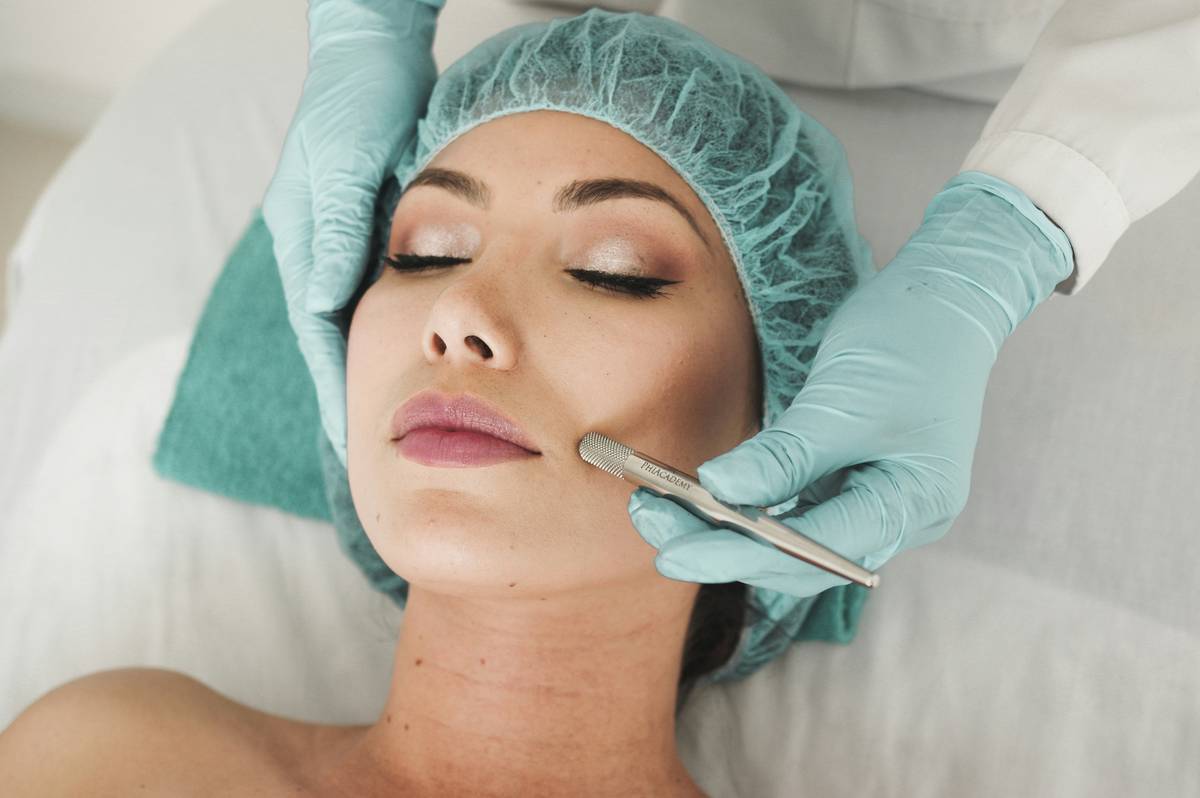
During a professional enzyme peel facial, your esthetician applies a gel, cream, or powdered mask containing active enzymes (most commonly papain from papaya or bromelain from pineapple). As it sits for 5–15 minutes, these enzymes cleave the desmosomes—the “glue”—holding dead corneocytes to the stratum corneum (your outermost skin layer).
The result? A gentle sloughing effect that reveals fresher, more reflective skin underneath—without disrupting pH or barrier integrity.
Optimist You:
“This is perfect for pre-event glow! Or weekly maintenance!”
Grumpy You:
“Ugh, fine—but only if I don’t have to lie still for 20 minutes while someone brushes my eyebrows.”
Who should try it?
- Sensitive or reactive skin types
- Those with rosacea or mild acne
- People avoiding acids during pregnancy
- Anyone seeking radiance without downtime
Who should skip it?
If you’re currently using prescription retinoids (tretinoin), oral isotretinoin (Accutane), or have open wounds, active cold sores, or severe eczema flares—hold off. Always consult a dermatologist first.
5 Best Practices for Safe, Effective Enzyme Peeling
1. Patch test first—even “natural” doesn’t mean non-reactive
I once had a client break out in hives from a pumpkin enzyme peel because she was unknowingly allergic to squash. Don’t assume “fruit-based = safe for all.” Test behind your ear 24 hours before full-face application.
2. Never layer with retinoids or strong AHAs/BHAs
Combining exfoliants increases irritation risk. If you use tretinoin nightly, schedule your enzyme peel on a non-retinoid night—or better yet, leave it to a pro.
3. Timing matters: 5–10 minutes max for at-home versions
More ≠ better. Overprocessing causes tightness and redness. Set a timer. Seriously.
4. Follow with barrier-supporting hydration
Post-peel, your skin drinks up serums. Layer hyaluronic acid + ceramide moisturizer to lock in moisture and reinforce protection.
5. Sunscreen is non-negotiable the next 48 hours
Freshly exfoliated skin is more UV-sensitive. SPF 30+ every morning—rain or shine.
| Type | Active Agent | Downtime | Ideal For |
|---|---|---|---|
| Enzyme Peel | Papain, Bromelain | None | Sensitive, reactive, pregnant skin |
| Chemical Peel (AHA/BHA) | Glycolic, Salicylic Acid | 1–7 days | Acne, hyperpigmentation, aging |
| Physical Scrub | Jojoba beads, walnut shells | Potential micro-tears | Normal, resilient skin (use sparingly) |
Real Results: What Happened When I Tried One (And My Clients)
My first professional enzyme peel was at a boutique spa in Portland. The esthetician used a custom pumpkin-papaya blend. Within 8 minutes, my skin tingled (pleasantly!) and turned a soft peach—no burning, no stinging. Post-treatment? My pores looked vacuumed, my foundation melted in like butter, and my husband asked if I’d gotten Botox. (I hadn’t.)
Fast-forward six months: I incorporated a gentle at-home enzyme mask (twice weekly) into my routine during winter—when my usual glycolic acid left me flaky and tight. Result? Consistent luminosity without compromise.
One of my clients, Maya, struggled with post-inflammatory erythema (red marks from old acne). After four weekly enzyme peels paired with niacinamide, her redness decreased by ~60%—confirmed by VISIA imaging at her dermatologist’s office.
**Terrible Tip Alert**: “Just leave it on overnight for extra exfoliation!” Nope. Enzymes deactivate quickly. Leaving them on too long won’t boost results—it’ll irritate.
Rant Section: My Pet Peeve
Brands calling any gunky oatmeal mask an “enzyme peel” just because it contains *trace* papaya extract. Real enzyme peels require stabilized, active concentrations—not token sprinkles. Check ingredient lists: if “papain” or “bromelain” isn’t in the top five, it’s likely decorative, not functional.
FAQs: Your Burning Questions—Answered
Can I do an enzyme peel if I have rosacea?
Yes—many dermatologists recommend enzyme peels over acids for mild-to-moderate rosacea. Avoid hot water and aggressive massage during application.
How often should I get an enzyme peel facial?
Professionally: every 4–6 weeks. At home: 1–2 times per week max, depending on formulation strength.
Do enzyme peels help with blackheads?
Indirectly. By removing surface debris, they prevent pore clogging. But for existing blackheads, combine with occasional salicylic acid treatments (spaced apart).
Are enzyme peels safe during pregnancy?
Generally yes—they’re non-systemic and superficial. But always confirm with your OB-GYN before trying new skincare.
What’s the difference between an enzyme peel and a brightening mask?
Brightening masks often contain vitamin C or kojic acid that inhibit melanin. Enzyme peels primarily exfoliate—which *reveals* brightness but doesn’t actively lighten pigment.
Conclusion
So—what is an enzyme peel facial? It’s intelligent exfoliation. A barrier-friendly reset. A glow-getter that doesn’t ask you to suffer for your radiance.
Whether you’re nursing a compromised barrier, navigating pregnancy-safe skincare, or just tired of redness after scrubs, enzyme peels offer a gentler path to polished skin. Remember: less friction, more finesse.
Now go forth—and may your complexion reflect back at you like sunlight on calm water.
Like a Tamagotchi, your skin barrier needs consistent, gentle care—not neglect followed by panic-feeding.
Haiku Break:
Papaya whispers,
Dead cells melt like morning frost—
New skin breathes again.