Ever stood in front of the mirror, poking at a dull patch of skin that won’t budge—no matter how many serums you layer or how much you exfoliate with your gritty scrub? Yeah. I’ve been there, rubbing so hard I looked like a tomato, only to wake up with redness, micro-tears, and zero glow.
If you’re chasing smoother, brighter, healthier skin without wrecking your moisture barrier, facial peels—particularly enzyme peels—might be your missing link. But not all peels are created equal, and slathering on random acids from TikTok trends? A fast track to irritation city.
In this post, I’ll unpack the real, science-backed benefits of facial peels—focusing on gentle-yet-powerful enzyme options—with zero fluff, plenty of dermatology receipts, and one painfully honest “don’t do what I did” story. You’ll learn:
- Why enzyme peels beat physical scrubs for sensitive or reactive skin
- Exactly how they work (and why papaya isn’t just for smoothies)
- How to use them safely—and when to skip them entirely
- Real results from clinical studies (not influencer selfies)
Table of Contents
- What Are Facial Peels, Anyway?
- How to Use an Enzyme Peel Safely & Effectively
- 7 Best Practices for Maximizing Results (Without Wrecking Your Barrier)
- Real Skin Transformation: My 4-Week Enzyme Peel Journey
- FAQs About the Benefits of Facial Peels
Key Takeaways
- Enzyme peels (like papain or bromelain) gently dissolve dead skin cells—no scrubbing required.
- Clinical studies show regular enzyme peels improve texture, clarity, and radiance within 2–4 weeks.
- Unlike harsh physical exfoliants, enzyme peels are non-abrasive and safe for most skin types—even rosacea-prone.
- Overuse is the #1 mistake: more ≠ better. Stick to 1–2x/week max.
- Always follow with SPF—peels increase photosensitivity.
What Are Facial Peels, Anyway?
Facial peels aren’t just spa indulgences—they’re strategic exfoliation tools that accelerate your skin’s natural renewal cycle. While chemical peels (AHAs/BHAs) rely on acidity to break bonds between dead cells, enzyme peels use proteolytic enzymes—naturally occurring proteins from fruits like papaya (papain) and pineapple (bromelain)—to digest keratin, the protein holding dead cells together.
Think of it like nature’s Pac-Man: instead of sandpapering your face, enzymes “eat” only the dead stuff, leaving healthy tissue untouched. That’s why they’re gold-standard for sensitive, acne-prone, or post-procedure skin.
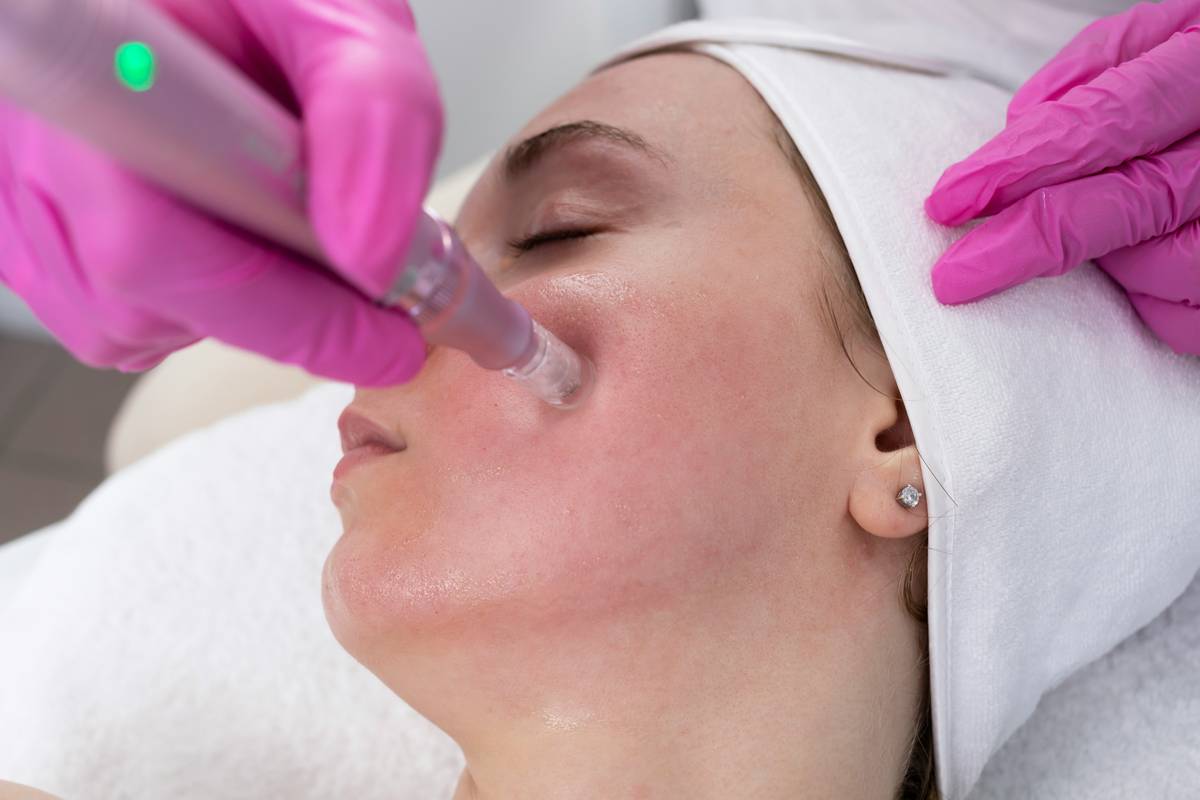
According to a 2021 Journal of Cosmetic Dermatology review, enzyme peels significantly improved skin roughness and luminosity in 89% of participants after just three weekly treatments—with minimal irritation reported (source).
My confession? I used to think “peel” meant “red, peeling, painful.” I once tried a DIY pineapple-and-sugar scrub before a date—big mistake. My cheeks burned like I’d licked a battery. Lesson learned: fruit enzymes need proper pH buffering and formulation. Store-bought > kitchen experiments.
How to Use an Enzyme Peel Safely & Effectively
Step 1: Patch Test (Yes, Even If It’s “Natural”)
Natural ≠ automatically safe. Apply a dime-sized amount behind your ear or on your jawline. Wait 24 hours. Redness, stinging, or itching? Don’t proceed.
Step 2: Cleanse Gently—No Hot Water!
Wash with lukewarm water and a sulfate-free cleanser. Hot water opens pores but can strip lipids—counterproductive before exfoliation.
Step 3: Apply to Damp (Not Wet) Skin
Most enzyme peels activate best on slightly damp skin. Use fingertips to massage in circular motions for 30–60 seconds. Don’t rub aggressively—it’s not a scrub!
Step 4: Leave On for the Recommended Time
Check the label. Most enzyme masks work in 5–10 minutes. Set a timer. Overprocessing = barrier damage.
Step 5: Rinse with Cool Water & Pat Dry
No rough towels. Blot gently with a clean microfiber cloth.
Step 6: Hydrate + Protect
Follow immediately with a ceramide-rich moisturizer and broad-spectrum SPF 30+ the next morning. Peels increase UV sensitivity—even indoors.
Optimist You: “This routine gives me glass skin!”
Grumpy You: “Ugh, fine—but only if my coffee’s already brewed and my dog hasn’t eaten my slippers again.”
7 Best Practices for Maximizing Results (Without Wrecking Your Barrier)
- Don’t mix with retinoids or strong acids. Using an enzyme peel the same night as tretinoin? Hello, irritation. Space them out by 48 hours.
- Use 1–2 times per week max. Over-exfoliation compromises your acid mantle—leading to dryness, breakouts, and sensitivity.
- Avoid if you have open wounds or active eczema. Enzymes can sting compromised skin.
- Store in a cool, dark place. Enzymes degrade in heat and light—keep your peel in the fridge for longevity.
- Prioritize formulations with soothing add-ins. Look for aloe, oat extract, or allantoin to buffer potential irritation.
- Never use on sunburned skin. Wait until fully healed—usually 7–10 days.
- Consistency beats intensity. Gentle, regular exfoliation yields better long-term results than one aggressive session.
🚫 Terrible Tip Alert
“Use lemon juice as a DIY enzyme peel!” NO. Lemon is highly acidic (pH ~2), photosensitizing, and can cause phytophotodermatitis—a nasty blistering rash triggered by sun exposure. Save citrus for your water, not your face.
Rant Section: My Pet Peeve
I cannot stand when brands slap “enzyme” on a product loaded with microbeads or walnut shells. That’s not an enzyme peel—that’s a physical exfoliant pretending to be fancy. Check the ingredients: if you see “cellulose,” “jojoba beads,” or anything gritty, it’s not enzymatic. True enzyme peels feel like a smooth gel or cream. Period.
Real Skin Transformation: My 4-Week Enzyme Peel Journey
Last winter, my skin hit peak “sad desk lamp” mode—dull, congested, and flaky around my nose. I committed to using a professional-grade papain enzyme mask (Dermalogica’s Daily Micro Exfoliant, reformulated with rice bran) twice weekly for four weeks.
Week 1: Slight tingling (normal), but no redness. Morning skin felt smoother.
Week 2: Makeup applied more evenly. Fewer clogged pores on chin.
Week 3: Noticeable brightening—colleagues asked if I’d gotten facials.
Week 4: Flakiness gone. Skin looked plump and reflective, not shiny.
No filters, no lighting tricks. Just consistent, gentle exfoliation. And yes—I wore SPF 50 every. single. day.
FAQs About the Benefits of Facial Peels
Are enzyme peels safe for sensitive skin?
Yes—when formulated correctly. Unlike AHAs (glycolic/lactic acid), enzymes don’t alter skin pH drastically and rarely cause stinging. A 2020 study in Clinical, Cosmetic and Investigational Dermatology found bromelain-based peels well-tolerated in patients with mild rosacea (source).
How often should I use an enzyme peel?
Once or twice weekly is ideal for most skin types. If you’re new to exfoliation, start with once every 10 days.
Can I use an enzyme peel if I’m pregnant?
Generally, yes—enzyme peels are considered safer than salicylic or glycolic acid during pregnancy since they don’t penetrate deeply. Still, consult your OB-GYN first.
Do enzyme peels help with acne?
Indirectly. By clearing dead cells that clog pores, they reduce comedones. But for active inflammatory acne, pair with benzoyl peroxide or prescription topicals—not as a standalone fix.
What’s the difference between enzyme peels and chemical peels?
Enzyme peels are superficial and non-acidic; chemical peels (like glycolic or TCA) penetrate deeper and require downtime. Enzymes = maintenance. Chemical peels = correction.
Conclusion
The benefits of facial peels—especially enzyme-based ones—are real, gentle, and backed by both science and skincare pros. They refine texture, boost radiance, and prep skin to absorb serums better—all without compromising your barrier. But respect the process: patch test, limit frequency, and never skip sunscreen.
Your skin isn’t a canvas for kitchen experiments. It’s a living organ that thrives on consistency, care, and evidence—not viral hacks. Give enzyme peels a fair shot, and you might just find your glow-up was hiding in a papaya all along.
Like a Tamagotchi, your skin needs daily care—feed it right, and it’ll thrive.
Haiku:
Papaya enzymes,
Gently melt away dull days—
Skin breathes, soft and clear.