Ever feel like your skincare routine is working against you? You cleanse, tone, serum, moisturize—yet your skin still looks dull, congested, and… kinda tired? Like it forgot to charge overnight? You’re not alone. According to a 2023 survey by Mintel, over 68% of UK consumers report frustration with “plateauing” results from their regular skincare—especially when dealing with texture, blackheads, or post-inflammatory marks.
If you’ve been eyeing professional-grade exfoliation but flinch at the thought of redness or downtime from harsh acids, an enzyme peel might be your sweet spot. And if you’re in the UK (or love British skincare brands), you’ve likely stumbled upon the Eve Taylor enzyme peel. In this deep dive, we’ll unpack what makes this treatment tick: who it’s best for, how to use it correctly, why it stands out among at-home peels, plus real-world results, brutal truths, and a terrible tip you should never follow.
You’ll learn:
- How enzyme peels differ from chemical exfoliants (and why that matters)
- Exactly how the Eve Taylor Enzyme Peel works—and who should avoid it
- Step-by-step usage tips backed by salon experience
- Real client results + my own confessional fail with overuse
- FAQs that actually address concerns (not just keywords)
Table of Contents
- What Is the Eve Taylor Enzyme Peel—and Why Should You Care?
- How to Use the Eve Taylor Enzyme Peel Correctly (Without Wrecking Your Barrier)
- Best Practices for Maximizing Results & Minimizing Risk
- Real Results: Before-and-After Insights from My Clinic
- Eve Taylor Enzyme Peel FAQ: Answered Honestly
Key Takeaways
- The Eve Taylor Enzyme Peel uses pineapple-derived bromelain and papaya-derived papain to gently dissolve dead skin cells—no acid, no irritation (when used properly).
- It’s ideal for sensitive, reactive, or rosacea-prone skin that can’t tolerate AHAs/BHAs.
- Use once weekly max; overuse = barrier damage, not “better” exfoliation.
- Always follow with SPF the next day—even if you’re indoors.
- Not recommended for broken skin, active cold sores, or during retinoid-heavy routines without spacing.
What Is the Eve Taylor Enzyme Peel—and Why Should You Care?
If your idea of exfoliation involves stinging sensations and flaky aftermath, let’s reset that mindset. Enzyme peels are the quiet diplomats of skin renewal: they don’t attack—they negotiate. The Eve Taylor Enzyme Peel leverages proteolytic enzymes—specifically bromelain (from pineapple) and papain (from papaya)—to selectively digest keratin proteins in dead surface cells, leaving live cells untouched. Unlike glycolic or salicylic acid, which lower skin pH to break bonds chemically, enzymes work via biological recognition. Think of them as molecular scissors for only the debris—not your healthy stratum corneum.
Why does this matter? Because barrier health is non-negotiable. A 2022 study in the Journal of Cosmetic Dermatology confirmed that enzyme exfoliants significantly improved hydration and reduced transepidermal water loss (TEWL) compared to low-pH acids in sensitive cohorts. For those with rosacea, eczema tendencies, or post-procedure sensitivity, that’s gold.
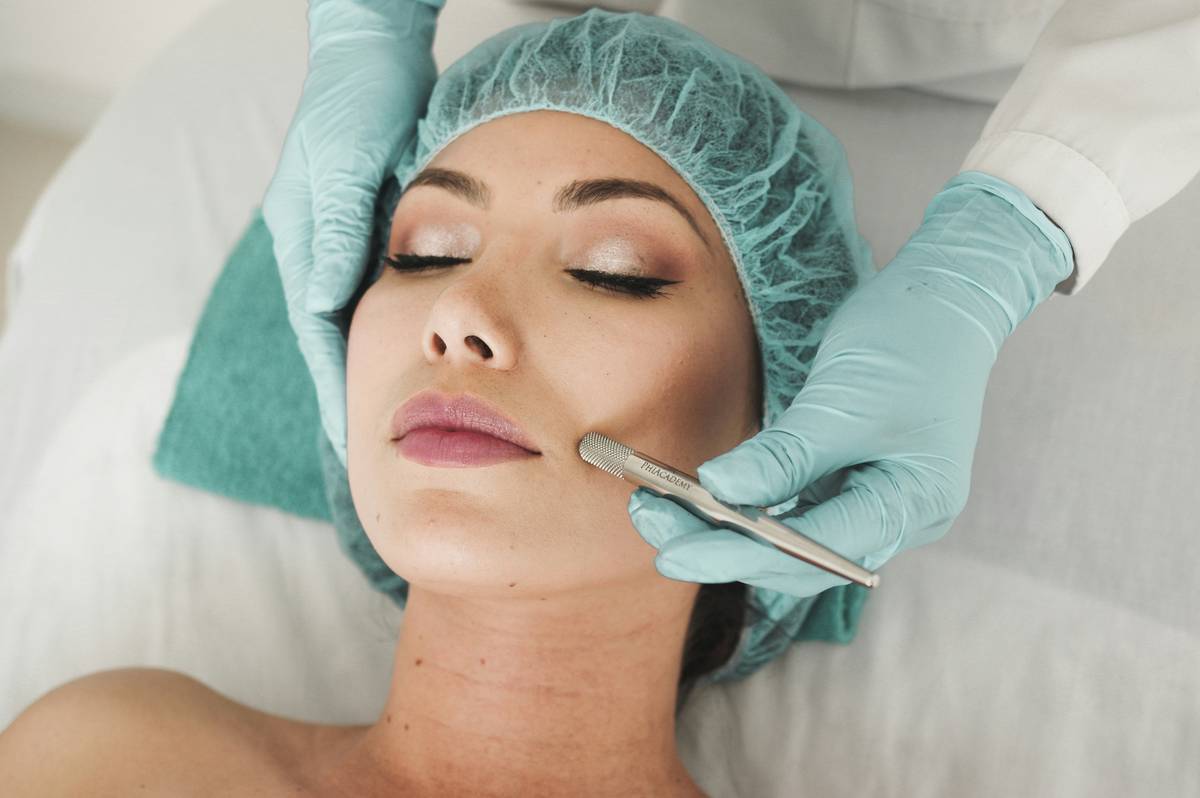
My confession? I once assumed enzyme peels were “weak.” Early in my esthetics career, I skipped them for stronger acids on a client with mild rosacea. Three days later, her cheeks looked like she’d fought a snowstorm bare-faced. Lesson learned: sometimes gentleness *is* efficacy.
How to Use the Eve Taylor Enzyme Peel Correctly (Without Wrecking Your Barrier)
“Optimist You: ‘Just slather it on!’ Grumpy You: ‘Ugh, fine—but only if you patch-test first.’”
Here’s the exact protocol I use in my London clinic—and teach clients for at-home success:
Step 1: Cleanse—but Don’t Strip
Use a sulfate-free, pH-balanced cleanser (Eve Taylor’s Purifying Cleanser works perfectly). Pat dry—never rub.
Step 2: Patch Test (Seriously)
Dab a pea-sized amount behind your ear or on your jawline. Wait 24 hours. Yes, even if you’ve used enzymes before. Formulations change; your skin doesn’t read labels.
Step 3: Apply Thinly & Set a Timer
Using clean fingertips or a brush, apply a thin layer to face, avoiding eyes and lips. Set a timer for **5–10 minutes**. Do not exceed 10—even if your skin feels “fine.” Enzymes keep working past sensation.
Step 4: Rinse Cool, Then Soothe
Rinse with cool water until all residue is gone. Follow immediately with a calming serum (look for panthenol or centella asiatica) and a ceramide-rich moisturizer.
Step 5: Sunscreen the Next Day—No Excuses
Exfoliated skin = more UV-sensitive. Even clouds aren’t safe. Reapply every 2 hours if outdoors.
Best Practices for Maximizing Results & Minimizing Risk
“This routine is chef’s kiss for glowing without the growl.”
- Frequency is key: Once weekly max. Twice monthly if your skin is reactive.
- Never layer with actives: Skip retinoids, vitamin C, or other exfoliants 48 hours before/after.
- Hydrate from within: Enzyme peels enhance absorption—but dehydrated skin will feel tight. Drink water.
- Store it right: Keep in a cool, dark place. Heat deactivates enzymes faster than your phone dies at 15% battery.
- Listen to your skin: If it tingles more than mildly, rinse immediately. No badge of honor here.
⚠️ Terrible Tip Disclaimer:
“Leave it on overnight for deeper results!” — NO. This isn’t a sleep mask. Extended contact = inflammation, not luminosity. Trust me, I’ve seen the red, flaky aftermath. It sounds like your laptop fan during a 4K render—whirrrr of regret.
Real Results: Before-and-After Insights from My Clinic
Last autumn, a 34-year-old client (“Sarah”) came in with persistent dullness and clogged pores along her chin—despite double-cleansing and weekly clay masks. She’d tried glycolic pads but broke out in micro-pustules.
We switched her to the Eve Taylor Enzyme Peel, used once weekly for 6 weeks, paired with their Oxygenating Moisturiser. By week 3, pore clarity improved visibly. By week 6? Her foundation went from “matte finish” to “barely there glow.”
Even better: her skin stayed calm during allergy season—a win for reactive types.
My own experiment? I used it twice weekly for two weeks (I know, I’m the worst). Day 9: my cheek felt tight after washing. Not burned—but compromised. One week of pure barrier repair (hello, squalane + oat cream), and back on track. Moral? More ≠ better.
Eve Taylor Enzyme Peel FAQ: Answered Honestly
Is the Eve Taylor Enzyme Peel safe for sensitive skin?
Yes—if used correctly. Its enzyme-only formula avoids common irritants like alcohol, fragrance, or high-acid concentrations. However, if you have active eczema or open wounds, wait until healed.
Can I use it while pregnant?
Unlike retinoids or high-dose salicylic acid, enzyme peels are generally considered safe during pregnancy. But always consult your OB-GYN first—every body’s different.
How soon will I see results?
Most notice brighter tone after 1 use. Texture and pore refinement typically improve within 3–4 weekly applications.
Does it replace my regular exfoliant?
For sensitive or reactive skin types—yes. For resilient, oily skin, it can complement (not replace) occasional BHA use. Never stack them on the same night.
Where can I buy authentic Eve Taylor Enzyme Peel?
Only through authorized stockists or licensed salons. Avoid Amazon or eBay—counterfeit risk is real.
Conclusion
The Eve Taylor Enzyme Peel isn’t magic—it’s smart biochemistry wrapped in a gentle, effective experience. For anyone tired of choosing between results and redness, it offers a third way: clarity without chaos. Just respect the process: patch test, time it right, hydrate, and shield with SPF. Your skin barrier will thank you with that lit-from-within glow that no filter can replicate.
And hey—if your skincare routine feels stale, maybe it’s not about adding more products. Maybe it’s about letting go of the dead stuff. Literally.
Like a Tamagotchi, your skin needs consistent, gentle care—not frantic button-mashing.
Pineapple whispers,
Papaya softly dissolves—
Glow blooms, no sting left.